
Fleet Mortgages' Q1 2026 rental barometer puts the average gross buy-to-let yield in the North East at 9.8 per cent, the highest of any region in England and Wales and up 0.6 percentage points on a year earlier. Zoopla's city ranking, published in March 2026 on data to September 2025, has Sunderland first in the UK at 9.3 per cent, with Middlesbrough at 8.1 per cent and County Durham at 8 per cent. Numbers like these sell a lot of sourcing packages.
The gross figures are real. You can check them with a calculator and a Rightmove tab. What deserves scrutiny is the journey from gross to net, because on a £70,000 terrace with a £561 rent that journey is longer, and lumpier, than almost anywhere else in the country.
Why the gross yields are real
The arithmetic starts with cheap stock. ONS local housing data for April 2026 puts the average house price at £129,000 in Hartlepool, £139,000 in Middlesbrough and £145,000 in Sunderland. Investor-grade terraces trade well below those borough averages. As of this week, Rightmove lists a terraced house in Ferryhill, County Durham, at a guide price of £31,500.
Rents have been moving the other way. The ONS recorded 6.5 per cent annual rental growth for the North East in the year to April 2026, the highest of any English region, on the lowest average rent in England at £776 a month. At borough level the ONS puts May 2026 averages at £707 in Middlesbrough, up 7.0 per cent in a year, £701 in Sunderland and £561 in Hartlepool, where growth was a much quieter 1.9 per cent. Put £561 a month against a £70,000 purchase and you get 9.6 per cent gross. No creative maths required.
Where the money leaks
Start with the recurring costs. Goodlord's January 2026 index put the average void in England at 26 days, up from 23 in December, and cheap terraces on thin streets sit empty longer than the national average at exactly the times demand is weakest. On a £561 rent, one empty month costs 8.3 per cent of the year's income. Full management runs at 12 to 17 per cent of rent plus VAT on Hamptons' published fee ranges, and percentage fees are the only cost line that shrinks with the rent. Everything else is flat-rate. The gas safety certificate costs the same in Hartlepool as in Guildford.
Then the local additions. Parts of Middlesbrough's Newport ward sit inside a selective licensing scheme, with fees of £878 to £998 per property plus a £20 fit and proper person charge, according to Middlesbrough Council. Local landlords have taken the fee decision to court, per Teesside Live. Licensing tends to arrive with inspections, and inspections tend to arrive with a works list.
The tenant base needs honest treatment too. Hartlepool Borough Council's own JSNA data shows 37.3 per cent of households in the borough were on Universal Credit in August 2025, against 28.2 per cent across the North East and 25.1 per cent for England. That is deep demand, and benefit-backed rent can be very dependable. But the DWP's published Local Housing Allowance rates for 2026-27 are fixed at April 2024 levels, a freeze that runs to March 2027, while North East rents rose faster than in any other English region. The gap between what support pays and what landlords ask is widening precisely where tenants lean on it most, and arrears risk grows with that gap. Hartlepool rents rising 1.9 per cent while Middlesbrough's rose 7 per cent suggests some towns have already met the local income ceiling.
A worked example
Take a £70,000 two-bed terrace in Hartlepool let at the borough's ONS average of £561 a month. Gross income is £6,732 a year, a 9.6 per cent yield. Deduct full management at 12 per cent plus VAT (£969), one void month (£561) and a £1,300 allowance for repairs, insurance, certificates and call-outs. That allowance is an assumption rather than a statistic, and on pre-war stock it is not a generous one. You are left with about £3,900, or 5.6 per cent of the purchase price. Add £3,500 of stamp duty at the 5 per cent additional-dwelling rate plus legal costs, and the net yield on money actually deployed is nearer 5.2 per cent. Unlevered, and in a year when nothing breaks.
A steady-state net of 5.2 per cent is still a workable number. The problem is the phrase 'in a year when nothing breaks'.
Old stock, national prices
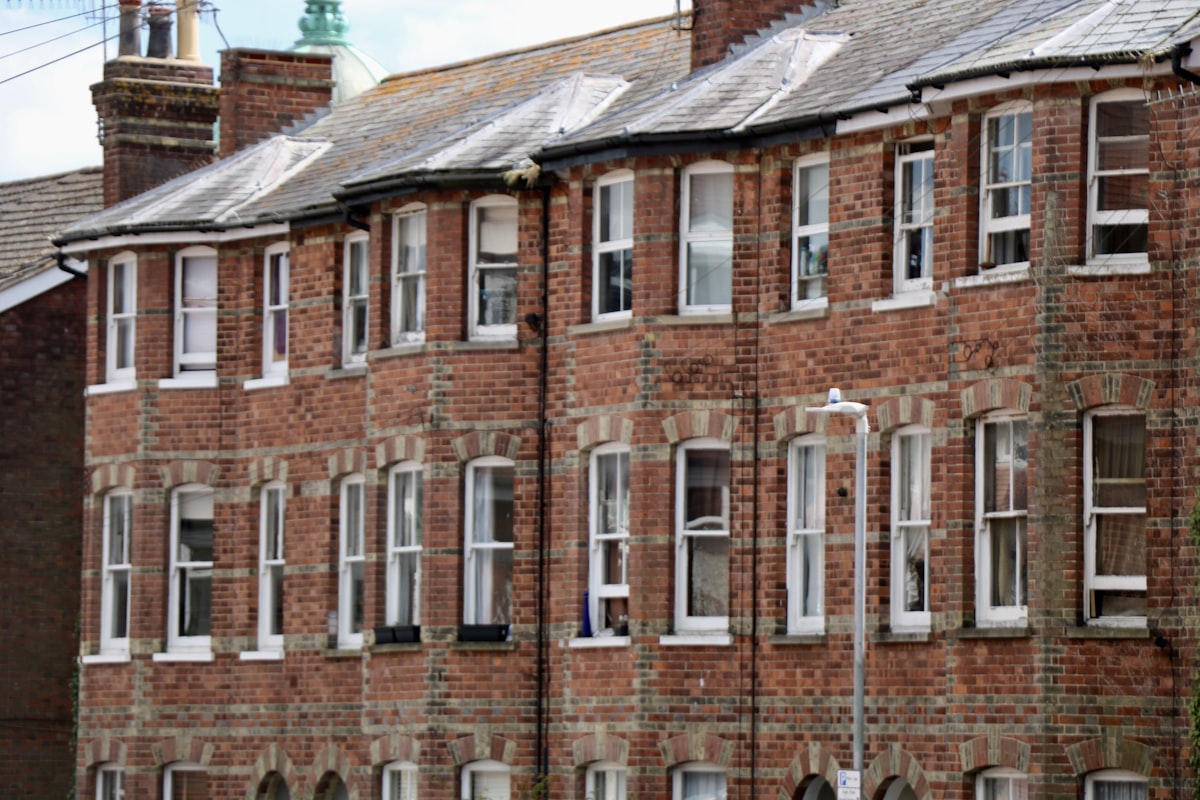
The houses producing these yields are mostly pre-1919 solid-wall terraces, and the cost of maintaining them is set nationally while the rent that pays for it is set locally. The 2023-24 English Housing Survey puts the average modelled cost of lifting a rented home to EPC band C at £6,864. For homes built before 1919 the figure is £10,788. The government's impact assessment for the proposed EPC C requirement estimates that around a quarter of the homes still needing work would cost more than the £10,000 spending cap.
Set that against the income. A £10,788 retrofit on the Hartlepool terrace above is 19 months of gross rent and nearly three years of net income. The identical bill on a property letting at Goodlord's England average of £1,201 a month is nine months of gross rent. A new boiler costs the same in Hartlepool as in Reading. So does a roof. The high-yield story rests on the one input that never scales down with house prices.
Exit is the harder question
The regional headline looks comfortable. Halifax's December 2025 index had the North East as the strongest English region, up 3.5 per cent on the year to an average of £181,798 while London fell 1.3 per cent. But that average describes family homes in Newcastle and Gateshead as much as colliery terraces in east Durham, and the cheap end trades in a different market. Coventry Building Society's buy-to-let criteria set a minimum property value of £75,000, and broker commentary on Property118 suggests most lenders will not go below £50,000, with only one or two prepared to look at anything under £40,000. Beneath those floors, your eventual buyer is a cash investor who prices on yield, which anchors your exit to the same maths you bought on. There is no owner-occupier bid waiting to pay more.
History argues for caution here as well. The ONS found North East prices fell 7.1 per cent between 2007 and 2017 while England rose 25.3 per cent, and the region was the only one still below its 2008 peak a decade after the crash. The recent picture is better, but uneven at borough level: ONS data to April 2026 shows Sunderland up 6.0 per cent on the year while Middlesbrough managed 0.4 per cent, even as Middlesbrough rents rose 7 per cent. Averages flatter some postcodes and slander others.
When the numbers work
The strategy holds when the purchase is underwritten on net numbers with local evidence behind each line. Buy stock that already carries an EPC C, or price the retrofit into the offer. Check whether the street sells to owner-occupiers or only to other landlords, because that single fact decides your exit. Test the rent against the local LHA rate rather than the three best asking rents in town, and size the repairs reserve to the age of the building rather than a percentage of a small rent.
Where it fails is at the extremes: sub-£50,000 purchases justified entirely by a double-digit gross figure, on streets where every recent sale was an auction lot and every landlord is a seller at the same time. In that corner of the market the yield is high because the exit is priced at zero growth, and the building will quietly absorb the difference.
This is why we think underwriting in these markets has to run on evidence rather than averages. Borough-level yields hide the street-level dispersion that decides these deals, and a rent estimate is only as good as the comparables behind it. Torquity's screening works from sold and let comparables with confidence ranges attached, which is the difference between quoting Hartlepool at 9 per cent and knowing which streets still clear 5 per cent after costs.
Gross yield is an advert. Net yield is a forecast, and in the North East the distance between the two is the whole investment case.