
In July 2015, Birmingham City Council published the Curzon HS2 masterplan. It redrew 141 hectares of Eastside and Digbeth around a station that did not yet exist, and it put numbers on the ambition: 36,000 net jobs and 4,000 new homes, plus a claimed £1.4 billion a year of economic uplift. For the decade that followed, most off-plan brochures in the city carried a version of the same pitch. Buy near the station and wait; the premium would do the rest.
The trains kept receding. On 19 May 2026 the Transport Secretary, Heidi Alexander, put the cost of HS2 at between £87.7 billion and £102.7 billion, with first services between Old Oak Common and Curzon Street due some time between 2036 and 2039, as reported by Railway Pro. Euston follows between 2040 and 2043. Someone who bought off the 2015 pitch will wait more than twenty years for the thing they paid extra for.
That makes this a reasonable moment for an audit. What did ten years of premium talk do to prices and rents around Curzon Street and Digbeth, and where does the arithmetic actually clear in 2026?

The promise, as sold
The hype was never subtle, and it has not stopped. Rothmore Property's current Birmingham investment page forecasts 19.9 per cent price growth for the city between 2024 and 2028 "with the city centre leading this growth", and Curzon Street features in most agency material as the reason to buy east of the Bullring. Digbeth itself acquired real cultural weight along the way. Time Out ranked it the 13th coolest neighbourhood in the world in 2025, ahead of entries from New York and Sydney. The BBC's Tea Factory base is due to complete in 2026 and will house programme teams including The Archers and Radio WM, according to its developer Stoford. Tram tracks for a Metro extension to the HS2 station are already laid through Digbeth, and Lendlease holds planning permission for more than 3,000 homes on the 14-hectare Smithfield site next door, as the Greater Birmingham Chambers of Commerce has reported.
None of that is fake. The regeneration is visible and funded. The question for a buyer was always narrower: how much of it was already in the price, and would the price move before the trains did?
What prices actually did
Start with the official series. Land Registry's UK House Price Index puts the average Birmingham sale at £152,381 in April 2016 and £235,682 in April 2026. Up 55 per cent in a decade. On its face, vindication.
Split it by property type and the story inverts. Flats, which are what actually gets built and marketed around a city-centre terminus, went from £107,698 to £146,686 over those ten years. That is 36 per cent. Terraced houses went from £138,818 to £222,418, up 60 per cent. The premium existed, it just attached itself to ordinary houses in postcodes no brochure mentioned. The recent numbers are harsher on the core: Birmingham flats have gained 5 per cent in five years on the same index (£139,729 in April 2021), a real-terms loss, and they fell 2.6 per cent in the year to April 2026 while semi-detached houses rose 2.0 per cent.
Postcode-level sold prices point the same way. Rightmove's sold-price data for the past year, checked in July 2026, has B1, the city core, averaging £187,404, some 23 per cent below the prior year and 26 per cent below its 2023 peak of £252,742. B5, the postcode that covers Digbeth, averaged £232,641, 6 per cent down on the year and 14 per cent below its 2022 peak of £271,391. Sold-price averages swing with the mix of what happened to transact, so treat the exact levels with suspicion. The direction is harder to dismiss, because the control group behaved differently. B8, the Alum Rock and Washwood Heath postcode beside HS2's rolling stock depot site, averaged £197,226 on the same Rightmove data, up 6 per cent on the year and 7 per cent above its 2022 peak. Nobody has ever sold Alum Rock as an HS2 play. It has outperformed the postcodes that were.
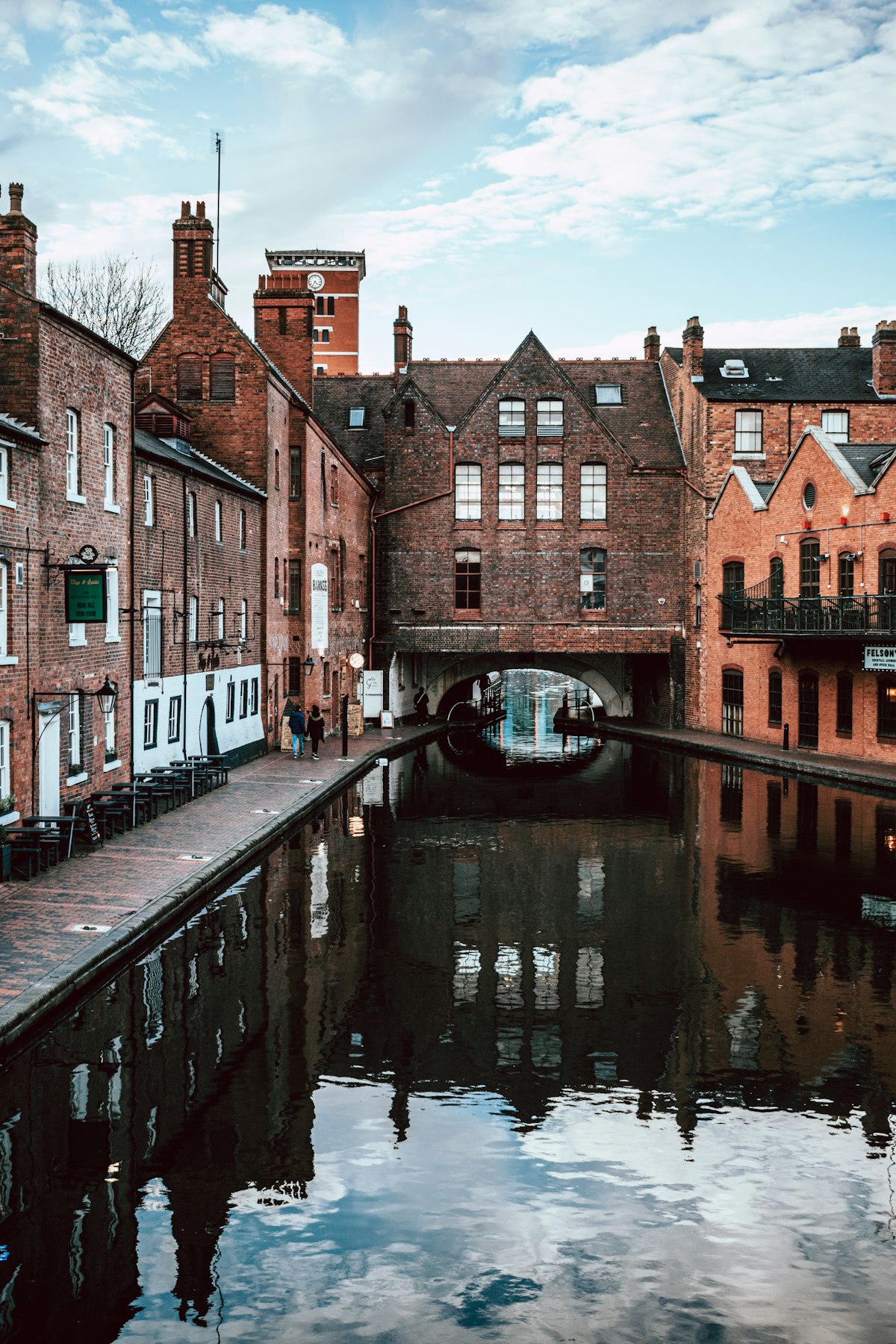
Rents held up, then supply arrived
Rents were the stronger leg of the thesis, and they mostly delivered. The ONS puts Birmingham's average private rent at £1,088 a month in May 2026, up 3.3 per cent on the year, though behind the wider West Midlands at 4.2 per cent. Flats average £910.
The city core is where the strain now shows. FleetMilne, a lettings agency that specialises in central Birmingham, reported in its Q1 2026 market update that one-beds in modern stock achieve £950 to £1,150 a month and two-beds £1,150 to £1,650. The same update says "supply increased meaningfully, particularly in modern developments", and that tenants now take longer to commit and push harder on price. Its forward guidance for city-centre rent growth is 2 to 4 per cent. That is what the delivery side of regeneration looks like from the landlord's chair. Every completed tower is someone else's comparable, and Smithfield's 3,000 consented homes sit a few hundred metres from Digbeth's front door.
Where the maths clears in 2026
On gross yield, the centre still screens well. PropertyData's live Birmingham snapshot in July 2026 shows a citywide average gross yield of 4.7 per cent, with B18 around the Jewellery Quarter at 7.2 per cent on a £187,356 average asking price, B2 at 7.1 per cent, B1 at 6.4 per cent on £209,126, and B44 up in Kingstanding at 6.2 per cent on £228,163. Sutton Coldfield's B74, for contrast, yields 2.8 per cent.
The real difference between core and outer is what survives from gross to net, and what the capital is doing underneath. A city-core flat carries a service charge, which on full-amenity towers is often the largest single line in the ledger. It sits in the one asset class on the Land Registry index that has gained 5 per cent in five years, and it competes with a visible pipeline. An outer-postcode terrace carries none of that. Pair Rightmove's B8 terraced average of £190,530 with the ONS citywide terraced rent of £1,084 a month and you get a little under 7 per cent gross. That is a crude pairing of two different sources, and PropertyData's own B8 figure is lower, at 4.1 per cent on asking prices across all stock, so the honest answer sits somewhere between. B8 also means older stock and heavier maintenance. But the asset is freehold, and nothing sits between gross and net except costs you control. The capital is above its previous peak rather than 14 per cent below it.
Price the railway at zero
The underwriting rule that falls out of this decade is simple. A railway with a 2036 to 2039 service window contributes nothing to a 2026 cash flow, so value it at nothing. If a Digbeth deal only works with an HS2 premium in the exit price, you are buying an option on the Department for Transport's schedule, and the past ten years have repriced that option. If the deal works with the railway at zero, at today's rent and today's costs, then Curzon Street becomes free upside with a very long fuse.
The gap between the brochure number and the Land Registry series is the reason we build underwriting on evidence at Torquity. A forecast of 19.9 per cent growth is a sentence; £146,686 against £139,729 five years earlier is a measurement. Screening whole markets on measured comparables, with confidence ranges rather than point estimates, is how you find a B8 before it appears in anyone's headline, and how you avoid paying 2036's premium in 2026.
Digbeth will probably be a good place to own property when the trains run. The audit says the premium was paid early and on the wrong stock, by buyers who trusted a timetable. The maths has to work while you wait.