
Manchester's headline numbers look calm. The ONS puts the city's average private rent at £1,352 in May 2026, up 3.2% on the year, and the average house price at £247,000 in April, up a thin 1.3%. Rent growth has slowed to a crawl compared with the years just after the pandemic. Zoopla's June 2026 rental market report has the average UK new-let rent at £1,321, up 2.1% in a year, and HomeLet's June index shows the North West at £1,096 a month, up 2.0% annually and down 0.2% on the month, the only region to drop.
That cooling matters more than it looks. When rents were compounding at high single digits, a sloppy purchase corrected itself within a couple of years. At 2%, it does not. The yield you buy is close to the yield you keep, so the question of where Manchester yields actually sit deserves more care than the postcode league tables give it.

What the yield tables say
Property Investments UK, working from Land Registry and Propertydata figures updated in February 2026, puts M14, which covers Fallowfield and Rusholme, at a 7.9% gross yield on £272 per square foot, the highest in the city. The city-centre postcodes are dearer and yield less: M1 at 6.4% gross on £387 per square foot, M3 at 6.6% on £388, and M4, which takes in Ancoats and the Northern Quarter, at 6.6% on £353. Hunters' 2026 landlord guide broadly agrees, with 7% to 8% gross in M14 and 5.5% to 6.5% in M1.
Then there is rentalyield.uk, which uses Land Registry and VOA data updated in the first quarter of 2026 and reckons M1 yields run at 4.5% to 5.2%, on prices of £280,000 to £380,000 and rents of £1,200 to £1,450 a month. That is nearly two percentage points below the other estimates for the same postcode. The gap is methodological. Asking rents versus achieved VOA rents, and which flats get counted, move the answer a lot. City-centre yield estimates are soft. Fallowfield's are not; they cluster at 7% to 8% across sources.
Salford sits between the two. rentalyield.uk has M5 at 5.39% gross on a median price of £198,000, M6 at 5.34%, and M50, which covers the Quays, at 5.42% on £196,950.
Service charges are the number missing from the yield table
Every figure above is gross. For a freehold terrace, the road from gross to net runs through repairs, insurance, voids and letting fees, all of which the owner can see and mostly control. A leasehold city-centre flat carries an extra fixed bill that comes off the top before any of that, and it has been growing faster than rents.
The Property Institute's Service Charge Index 2026, built from 2,137 estates covering more than 117,000 homes, puts the average budgeted service charge at £2,880 per leaseholder. Height is the big variable. Buildings over 18 metres average £4,447 a year against £2,418 for blocks under 11 metres, and Building Safety Act compliance costs rose 53% year on year, the fastest-growing line in the index. The spread is wide: £1,525 in the cheapest tenth of buildings, £8,680 in the dearest.
Hamptons' analysis, reported by Landlord Today in March 2026, tells the same story from the payer's side. The average service charge in England and Wales is £2,405 a year, up 32.6% over five years and up 55.6% over the decade to 2025, against CPI of 39.8%.
Run that against the city-centre numbers. Take a mid-range M1 flat at £300,000 renting for £1,325 a month, the middle of rentalyield.uk's ranges. That is £15,900 a year, a 5.3% gross yield. Subtract a tall-building service charge of £4,447 and you are at £11,453, or 3.8%, before insurance, voids, letting fees or a single repair. The service charge alone removes 1.5 percentage points of yield and swallows 28% of the rent. On the more generous 6.4% gross estimate the arithmetic is kinder, but the charge still takes roughly a quarter of the income.
It bites on exit too. Hamptons found that some lenders have tightened underwriting criteria to exclude flats where service charges routinely exceed 1% of the property's value, and that flats marketed with a charge at or below 1% of value were 50% more likely to find a buyer than those at 2% or more. Last year 37% of flats in England and Wales exceeded the 1% line, up from 29% five years earlier. A £4,447 charge on a £300,000 flat is 1.5%. That purchase joins the harder-to-sell cohort on day one.
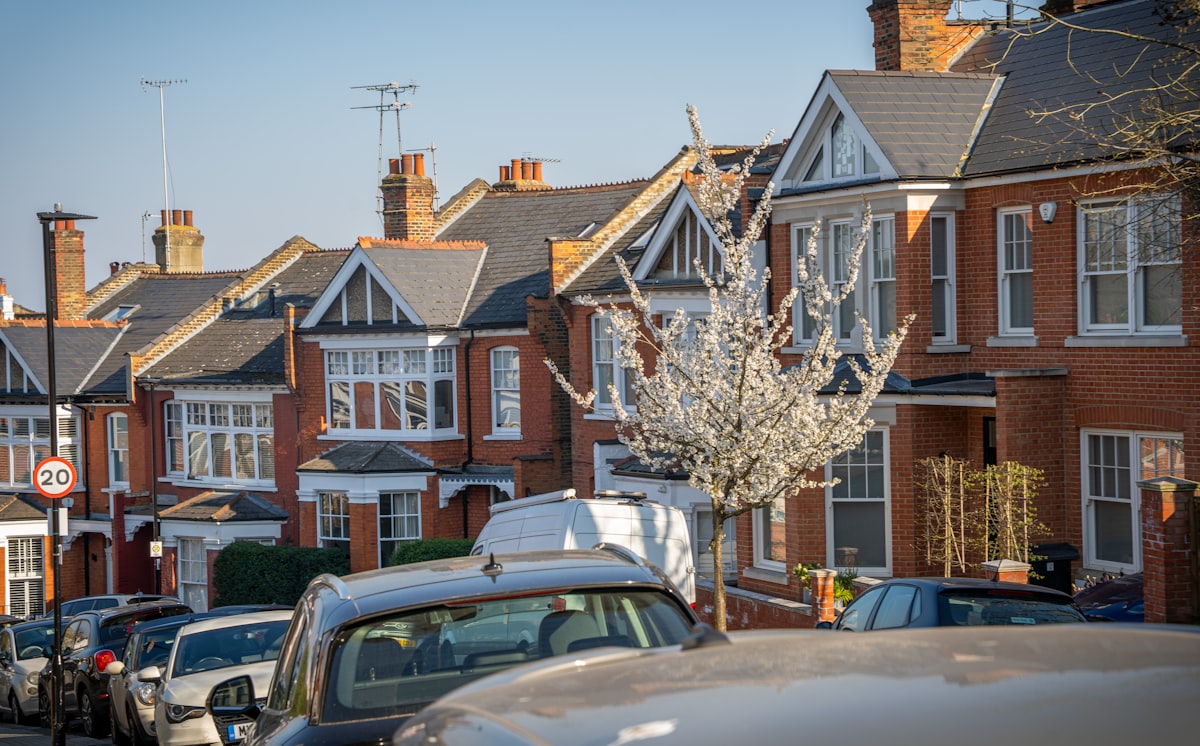
The terrace case in Fallowfield, Levenshulme and Salford
Fallowfield tops every table, so start there. Rightmove's sold-price data over the past year puts the average Fallowfield terrace at £247,401, with sold prices in the area 2% down on the year before, a rare soft entry point in a city that has mostly gone one way. Property Investments UK records an average M14 rent of £1,781 a month. That figure is pulled up by student HMOs, which dominate the postcode and bring their own licensing and management load, but both sources still land the gross yield between 7% and 8%. A freeholder keeps far more of it.
Levenshulme is the steadier version of the same trade. Edward Mellor's March 2026 market update, citing Rightmove, puts the average terrace at £260,883, with area prices up 5% on the year. Property Investments UK has the M19 average rent at £1,271 a month and five-year price growth at 35.8%; the same dataset shows M1 down 2.4% and M3 down 3.2% over those five years. Set that rent against the terrace average and you get about 5.8% gross. The site's own postcode figure is 5.0%, because the average includes cheaper stock renting for less. Either way it is within touching distance of the city-centre gross numbers, with no contracted charge coming off the top.
Salford's postcode yields of 5.3% to 5.4% look ordinary until you split the stock. Rightmove has Salford terraces averaging £251,744 against flats at £176,747, with overall prices still 1% below their 2022 peak. The flat stock includes the dockside towers around the Quays, exactly the buildings the TPI's over-18-metre averages describe. A Salford terrace at 5.4% gross and a Quays flat at 5.4% gross are different investments wearing the same number.
None of this makes terrace ownership free. A reroof or a boiler failure lands all at once, and nobody sends you a budget in advance. But those costs are lumpy and controllable, unlike a contracted annual charge that has risen 55.6% in a decade and cannot be declined. The Levenshulme flats average of £145,898, against £260,883 for terraces in the same postcode, is a hint about where buyers think the long-term risk sits.
Underwriting Manchester in 2026
Some practical rules fall out of the numbers. On leasehold city-centre stock, get three years of service-charge accounts and the reserve fund position before modelling anything. Check the building height against the 18-metre threshold, because that is where Building Safety Act costs concentrate. Apply Hamptons' 1% test against the purchase price. And model rent growth at HomeLet's 2% rather than anything more hopeful, because the North West was the only region in the June 2026 index where rents fell on the month, and the market shows no sign of bailing out a thin deal.
Postcode-average yields for the same Manchester flat differ by nearly two percentage points depending on the source, and the single line that most changes the net answer appears in none of the tables. That gap is why Torquity underwrites from actual comparables with confidence ranges rather than postcode averages, and screens whole markets on net figures with the service charge in the model from the start. On today's numbers the terraces win. The towers only make sense at a purchase price that pays you for the £4,447 line most yield tables leave out.