
Two kinds of Liverpool stock
Liverpool keeps topping UK yield tables. ONS data puts the city's average price at £189,000 in July 2026, up 8.1% in a year. The North West rose 4.4% over the same period. Rents climbed too. The average Liverpool private rent reached £913 in August, a 5.6% annual rise.
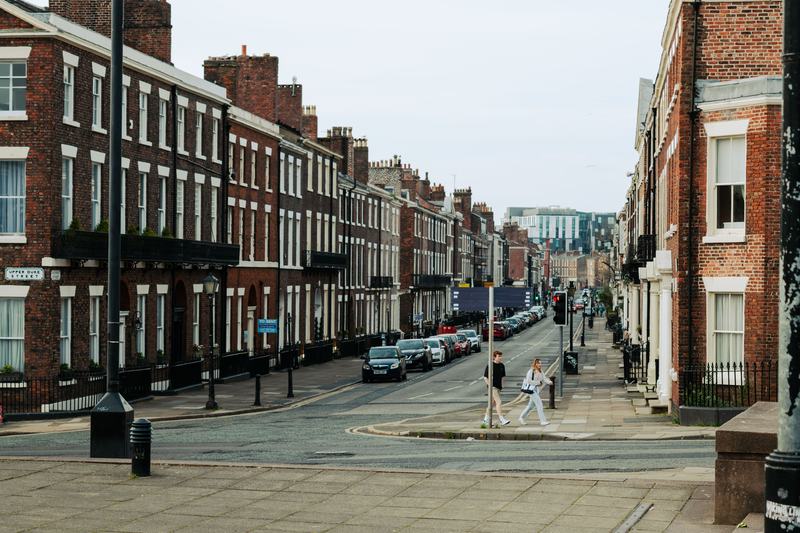
The city average hides a split. Terraced prices rose 9.7% in the year to July while flats gained 4.3%. Flats now average £130,000 and terraces £179,000. ONS puts average rents at £786 for flats and £917 for terraces.
Run those numbers and the flat looks like the better buy. It grosses 7.3% against the terrace's 6.1%. Liverpool agents sell that gap hard. Once costs come in, the order flips.
What each property earns gross
We take the ONS averages as our two test properties. The flat costs £130,000 and lets at £786 a month, or £9,432 a year. The terrace costs £179,000 and lets at £917, or £11,004 a year.
Both rent figures cover the whole rental stock, including tenants who moved in years ago. New lets run higher. Live listings put Liverpool's median asking rent at £950 in September. Growth on new tenancies has slowed, though. HomeLet recorded North West new-let rents at £1,115 in September, up 2.9% in a year. That trails the ONS North West figure of 5.8% by almost three points.
The service charge decides the contest
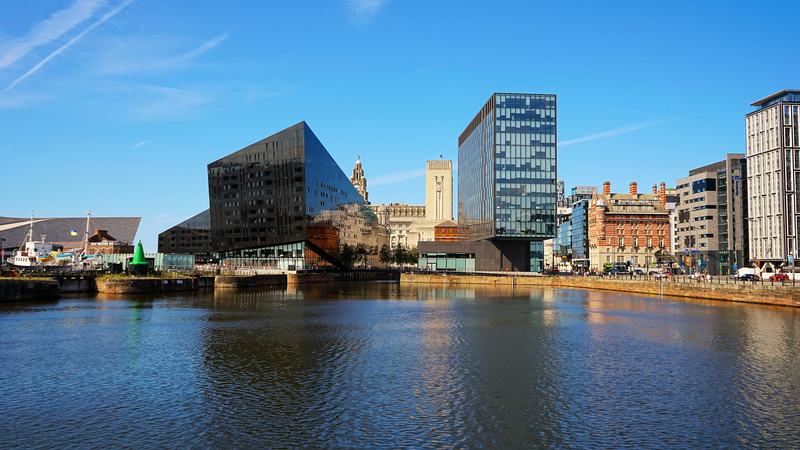
Every Liverpool flat carries a service charge, and the figures vary widely. New-build schemes near the city centre advertise about £2 per square foot. Older blocks with lifts and concierges cost far more. A studio at 2 Moorfields went to auction in May with a £2,812 annual charge against £8,340 of rent. A two-bed flat in L5 carried £3,467 a year on £11,400 of rent.
We use £1,800 for our flat and add £150 ground rent. The flat owner pays little direct maintenance, since the block budget covers roof and structure. We allow 4% of gross. The terrace owner pays for everything, so we allow 8% of gross plus £350 for buildings insurance.
Both properties share the base assumptions. Each sits empty one month a year. Full management takes 12% of collected rent. Each pays a selective licence spread over five years, about £199 a year.
The flat's £9,432 gross falls to £5,082 net, a 3.9% net yield. The terrace's £11,004 falls to £7,448, or 4.2% net. The service charge alone absorbs 19% of the flat's gross rent.
The break-even point matters more than our assumption. Any service charge above about £1,470 a year hands the win to the terrace. Both auction examples above sit well over that line. Stamp duty adds to the cash outlay. With the 5% surcharge on every band, we estimate £6,600 on the flat and £10,030 on the terrace.
Leverage turns thin margins negative
The Bank of England held base rate at 3.75% on 17 September. Three of nine MPC members voted for a rise to 4%. The Bank warned it may need to raise rates if energy prices keep pushing inflation up. Moneyfacts put the average fixed buy-to-let rate at 5.47% on 1 August.
Take a 75% interest-only loan at that rate. The flat borrows £97,500 and pays £5,333 a year in interest. Its £5,082 net income leaves a £251 shortfall before tax. The terrace borrows £134,250 and pays £7,343, which leaves a £105 surplus.
At 75% loan-to-value, the flat needs a top-up from other income and the terrace breaks even. Cash buyers collect the full net yields above. From April 2027, income tax on property profits also rises by two percentage points for individual landlords.
The licensing bill arrives in 2027

Liverpool City Council ran a consultation on its next selective licensing scheme until 5 October. The current scheme covers 16 wards and about 80% of privately rented homes. It ends in March 2027.
The council put three options to the public. The widest covers all 64 wards. A second targets 29 wards with the highest deprivation. A third focuses on 26 wards with the poorest property conditions.
The proposed full licence costs £995, split into a £240 application fee and a £755 second charge. Landlords with an EPC rating of C or above pay £597 on renewals, early applications and new properties. The council has granted over 48,000 licences since April 2022. Its officers carried out more than 19,000 inspections and issued over 1,100 enforcment notices.
The fee itself moves net yield by about 0.15 percentage points on our flat. The inspection regime matters more. An older terrace with a D rating faces a higher licence fee now and the 2030 EPC deadline later. Price that retrofit before you buy.
Underwriting Liverpool in 2026
Five rules follow from the numbers. Underwrite rent from achieved lets on the same street, and hold new-let growth at 3% or less. Get three years of service charge accounts and the reserve fund balance for any flat. At average prices, walk away from any flat with a service charge above £1,500. Run the mortgage at 5.5% interest-only and check the deal still covers itself. Budget the full £995 licence fee and assume the citywide option wins.
City averages blur everything that decides a deal. A Kensington terrace and a Baltic Triangle flat share one Liverpool figure and earn different returns. Torquity underwrites each property from actual comparables with confidence ranges. It puts service charges, licensing and finance into the model from the start. On today's numbers, Liverpool flats win the listing headline and terraces win the bank statement.